Kids Monkey Coloring Page: Graphics & Coloring Pages Amp
First Impression: Playful, Approachable, and Instantly Recognizable
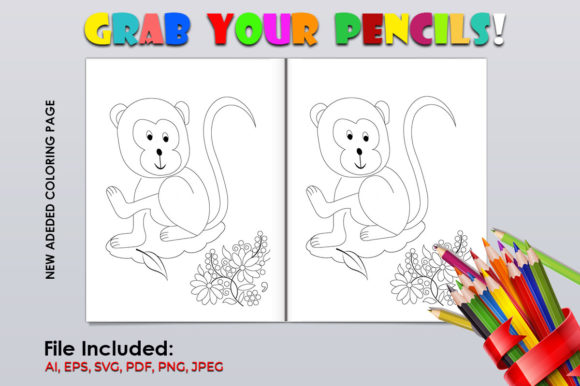
Opening the Kids Monkey Coloring Page file, I immediately notice its clean linework, balanced negative space, and intentional simplicity—this isn’t just clipart; it’s a considered graphic design asset built for real-world marketing use. The monkey illustration carries warmth and curiosity without leaning into cutesy overload, making it ideal for brands that want to signal fun *and* intentionality. For a small business launching a summer learning bundle or an online coach creating a back-to-school content kit, this asset lands with emotional clarity: friendly, inclusive, and age-appropriate without sacrificing visual polish.
Fits Seamlessly Into Real Campaign Workflows
I recently used Kids Monkey Coloring Page as the central visual anchor in a Pinterest-first campaign for a Montessori-aligned digital product. We paired it with soft earth tones and a clean sans serif font—and instantly elevated our lead magnet from “generic printable” to “thoughtfully branded resource.” It performed equally well across touchpoints: scaled cleanly for Instagram story templates, layered subtly behind blog headers, and even adapted into a playful packaging insert for a subscription box targeting kindergarten educators. As a digital product, it bridges the gap between editorial design and commercial design—supporting both storytelling and conversion.
Strengthens Brand Identity—Without Overpowering It
Kids Monkey Coloring Page works best when treated as a *supportive* element—not the hero of your logo design or primary brand mark, but a flexible, expressive accent. In brand identity systems built around handmade products or lifestyle content, it adds texture and humanity. When placed beside a minimalist logo or paired with elegant script fonts, it introduces contrast that feels intentional, not chaotic. I tested it against serif, sans serif, and handwritten type treatments—and found it held strongest with rounded sans serifs (like Poppins or Quicksand) and warm display fonts that echoed its organic energy.
Where It Shines: High-Value Marketing Applications
- Social media graphics: Perfect for Instagram carousels promoting early-learning tips or Facebook ads highlighting seasonal printable bundles.
- Pinterest pins: Its bold outlines and clear silhouette ensure strong visibility even at thumbnail size—critical for driving traffic to blog posts or digital product pages.
- Email banners & lead magnets: Adds visual warmth to opt-in offers without competing with CTAs or dense copy.
- Branded Canva templates: Easily recolored to match your palette and dropped into editable layouts for clients or community members.
- Printable promotions & content bundles: Serves as consistent decorative framing across worksheets, activity guides, and parent resources.
Where to Use With Intention—Not Assumption
Kids Monkey Coloring Page is not a one-size-fits-all solution. Avoid placing it directly over low-contrast backgrounds (e.g., light gray on off-white), where line definition suffers. It also loses impact in text-heavy Facebook ads or formal corporate branding—think investor decks or B2B SaaS landing pages. Because it’s a single-subject illustration, it shouldn’t carry complex messaging alone. And while it scales beautifully for web and print, test readability at under 100px height: fine details like facial expression blur on mobile if not simplified first.
Practical Brand Designer Notes You Can’t Skip
Before dropping Kids Monkey Coloring Page into live campaigns, run these checks:
- Test it with your full brand color palette—does it retain legibility in both primary and secondary hues? Try it in monochrome too; many users print in black and white.
- Drop it into real mockups: website headers, email newsletter previews, and Instagram post templates—not just isolated PNG previews.
- Compare spacing and balance alongside your existing SVG design assets and PNG design files. Does it feel visually weighted the same way?
- Verify commercial licensing before using in client work, paid ads, or physical merchandise. This is a digital printable design—ensure your license covers distribution, resale, or bundling in a design bundle.
- Preview on mobile—especially in vertical-scrolling feeds. Does the composition hold focus without cropping key features?
Why It Builds Audience Trust—Beyond Aesthetics
In today’s oversaturated content landscape, consistency signals professionalism—and Kids Monkey Coloring Page delivers that through predictable quality and adaptable structure. When your audience sees this same gentle, confident monkey across your blog graphics, email footers, and downloadable resources, they subconsciously register cohesion. That builds recognition. That builds trust. That makes your small business branding feel intentional—not improvised. It’s especially effective for creative entrepreneurs who sell digital products on marketplaces: shoppers scanning a creative marketplace instinctively associate clean, scalable illustrations like this with reliable, well-crafted offerings.
A Strategic Asset—Not Just Decorative Clipart
Kids Monkey Coloring Page isn’t filler. It’s a functional piece of visual infrastructure—designed to support stronger first impressions, clearer visual hierarchy, and more memorable campaign visuals. Whether you’re building a content marketing strategy for a parenting blog, designing packaging accents for eco-friendly kids’ toys, or refreshing your social media graphics for a new course launch, this graphic design asset earns its place by doing real work: humanizing your brand, guiding attention, and inviting interaction—all while staying firmly within the bounds of professional branding. Used thoughtfully, it becomes part of your visual language—not just a decoration.