Egyptian Deities Coloring Page: A Designer's Review
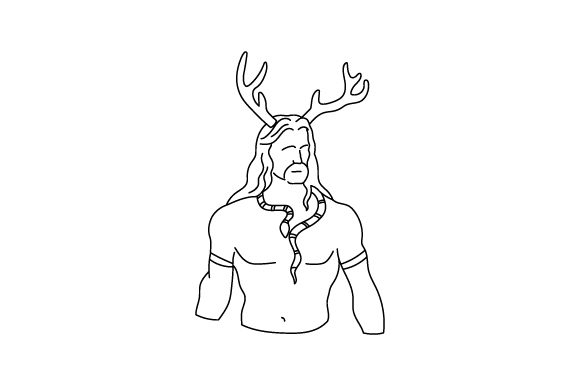
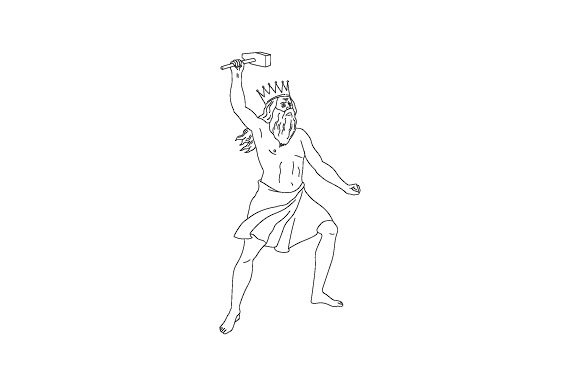
When I first opened the Egyptian Deities Coloring Page, I felt an immediate pull toward something ancient and quietly powerful. The design carries a mood that is part storytelling, part sacred geometry. It does not shout. It invites you to lean in and study the silhouettes, the headdresses, the posture of each figure. For an embroidery artist, that kind of visual weight matters. It tells me this file can become a conversation piece on a finished product, not just a decoration.
I imagined this stitched onto a natural linen tote bag, the thread sitting slightly raised against the fabric, catching light in a way that makes the deities feel almost carved. That is the kind of project where Egyptian Deities Coloring Page belongs. It is not a quick novelty design. It is a piece that asks for thoughtful placement, intentional thread choices, and a maker who respects the cultural depth behind the imagery. The category Pagan makes sense once you see the symbolic weight of the figures. This is not generic clip art. It is a spiritual motif rendered in clean lines, ready for thread and needle.
First Look: Shape Language and Visual Personality
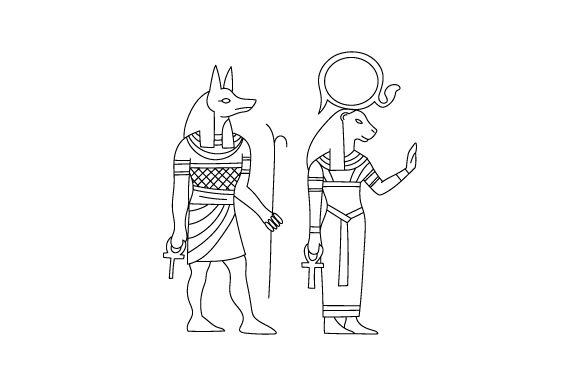
The layout feels balanced without being stiff. The deities occupy space with a kind of ceremonial stillness. There is enough negative space between the figures to let each one breathe, which is crucial when you convert this into a machine embroidery design. Crowded details can turn into a muddy mess under thread, but here the spacing feels intentional. The linework suggests a confident hand, someone who understands how illustrations translate into stitched media.
This is not a hyper-detailed coloring book page that will frustrate you during digitizing. The shapes are distinct enough to hold up as a pure outline stitch, yet you could easily fill selected areas with a light fill stitch or use satin stitch for headdresses and collars. I immediately started mentally testing thread colors: muted gold, deep indigo, terracotta, and a soft ivory for highlights. The design gives you room to interpret, which is a gift for small-batch makers who want each piece to feel slightly unique.
Where This Design Shines in Real Embroidery Work
Let me walk you through a real scenario. Last month, a client asked for a custom altar cloth featuring Egyptian iconography. She wanted something reverent but not costumey, something that would feel authentic in a personal spiritual practice. The Egyptian Deities Coloring Page would have been perfect. I would have stitched it onto a heavyweight cotton panel, using a dark thread on a natural background, then framed the cloth with a simple border stitch. The client would have received a handmade product that felt intentional, grounded, and professionally finished.
Beyond altar cloths, I see this design working beautifully on:
- Tote bags — especially unbleached cotton or canvas, where the texture adds an earthy dimension
- Pillow covers — a single large deity or the full composition centered on a lumbar pillow
- Aprons — placed off-center near the hip, giving a subtle, artistic touch to a kitchen or studio apron
- Patches — stitch on a sturdy backing, cut the outline, and sell as an embroidered patch at craft fairs or in an Etsy shop
- Sweatshirt embroidery — on the upper back, using a tonal thread color for a quiet, textured look
For Etsy sellers and small shop product creators, this design offers versatility. You can use it as a standalone statement piece or incorporate it into a larger Pagan or mythology-themed collection. The craft business potential here is strong because the theme has a dedicated, passionate audience who actively seeks out meaningful imagery.
Understanding the File Formats for Crafting Projects
The product comes with SVG File, Transparent PNG, EPS, and DXF formats. For embroidery digitizing, the SVG and EPS are your starting points. Vector files give you clean paths to import into digitizing software, and the transparent PNG is useful for creating printable mockup previews before you commit thread to fabric. I always create a black-and-white mockup first, printing it at actual size, placing it on the item, and living with it for a few hours. The transparency of the PNG makes that process quick and accurate.
One practical note: the DXF format can be handy if you are working with cutting machines for appliqué bases. You could cut a fabric shape, then stitch the deity outline on top. That layered approach adds dimension and reduces stitch count on thick fabrics. Just remember to test your stabilizer combination before running a full batch.
Navigating Tricky Surfaces and Small Hoop Sizes
Not every product is a safe canvas for this design. I learned the hard way that intricate deity outlines on thin, stretchy fabric can become distorted after one wash. If you are planning baby embroidery or custom apparel on lightweight jersey, reinforce the area heavily and choose a smaller version of the design. The figures need to stay recognizable, and tiny details like staffs, ankh symbols, or delicate headpieces can disappear into the fabric texture.
Here is where caution belongs:
- Small hoop sizes — shrinking the design too much loses the dignity of the figures. Keep the composition at least four inches wide for clarity.
- Dark fabric — the linework might vanish without strong contrast. Test a white thread sample on a black scrap before committing.
- Curved surfaces like caps — the flat, frontal layout of the deities may warp awkwardly on a curved bill. Consider extracting a single deity for cap placement.
- Dense stitch areas — if you digitize with heavy fill, the fabric can pucker. A light running stitch for the main outlines often looks more elegant and feels softer on the finished product.
- Textured fabrics — toweling, chunky knit, or waffle weave will break up the linework. Stick to smooth, medium-weight wovens or stable knits.
Thread Choices That Honor the Pagan Mood
Color selection makes or breaks a design like this. The Egyptian Deities Coloring Page has a natural affinity for earthy, mineral tones. I gravitate toward threads that mimic aged metal, stone, and linen. A soft gold satin stitch on the solar disk of Ra, or a deep lapis blue on the wings of Isis, immediately reads as intentional and premium. Avoid neon brights unless you are deliberately going for a pop-art reinterpretation. The Pagan and Crafts audience tends to appreciate subtlety and authenticity over flashiness.
For a recent handmade product line I consulted on, the maker used a single color — a dusty terracotta — across the entire design on oatmeal linen. The result was understated, almost archaeological. Customers responded to the texture and the quiet confidence of the piece. That is the power of this design: it does not need a rainbow of threads to feel complete.
Protecting Customer Trust Through Careful Testing
Before you list a finished item or sell the digital embroidery file, do the unglamorous work. Stitch it out on the exact fabric you plan to use. Wash it. Dry it. Look at it under different lighting. The stitch density you choose in digitizing will affect how the fabric drapes and how the design ages. A dense deity on a lightweight tote bag design might feel stiff and plasticky. A lighter stitch preserves the hand of the fabric and feels more luxurious.
I also test how the design reads from three feet away. That is the distance a customer stands from a craft fair table. If the deities blur into an unrecognizable shape, adjust the outline thickness or add a subtle background fill. The visual appeal at a glance determines whether someone stops to pick up the product. Once they are holding it, the detail work rewards closer inspection.
Commercial Use and Licensing Awareness
This is where I see makers get into trouble. The product description includes SVG File, Transparent PNG, EPS, and DXF formats, but it does not specify commercial licensing terms. You must confirm the license before selling finished embroidered patch items, custom apparel, or digital embroidery file bundles. A design rooted in ancient Egyptian iconography may be in the public domain visually, but this specific artistic rendering belongs to the creator. Respect that boundary. Reach out, ask clearly, and keep the email for your records. It protects your craft business and shows integrity to your customers.
Building a Collection Around a Central Theme
If you are a digital product seller or creative entrepreneur, think beyond a single listing. The Egyptian Deities Coloring Page can anchor a small collection. Pair it with a matching scarab design, an ankh motif, or a hieroglyphic border pattern. Offer a bundle of coordinated embroidery designs that work together on a set of kitchen towels, a series of patches, or a curated holiday gift collection. The Pagan and mythology market values cohesion and storytelling. A well-designed suite of products builds brand consistency and keeps customers returning for the next release.
Final Practical Notes for the Embroidery Project
Before you run your first stitch, here is a quick checklist I keep taped to my studio wall:
- Test on scrap fabric first — match the exact fabric type and stabilizer you plan to use in production.
- Check thread color contrast — hold the spool against the fabric under natural and artificial light.
- Review stitch density — lighter is often better for drape and comfort, especially on wearable items.
- Confirm hoop size — measure the design at full scale and ensure your machine can handle it without rehooping mid-stitch.
- Inspect small details — run a slow stitch-out and watch for thread breaks in tight corners or fine lines.
- Compare light and dark fabric backgrounds — the same design can read completely differently on black versus cream.
- Use proper stabilizer — cutaway for stretchy fabric, tearaway for stable wovens, and a topper for textured surfaces.
- Verify licensing — check whether personal and commercial use are both allowed before selling the finished product.
The Egyptian Deities Coloring Page is a design that rewards patience and respect. It is not a slap-it-on-and-sell-quickly kind of file. It asks you to think about fabric, thread, placement, and the person who will eventually hold the finished item. For the right maker, that is exactly what makes it valuable. Treat it as a design asset with depth, and your customers will feel that depth in the final piece.