Alphabet Coloring Book for Kids - D: Graphics & Coloring Pages Amp
As a digital product creator who’s launched over 200 Etsy listings and scaled print-on-demand collections across Creative Fabrica, Redbubble, and Shopify, I opened Alphabet Coloring Book for Kids - D with one question in mind: “Does this hold up as a versatile, commercially viable graphic design asset—or is it just another decorative letter?”
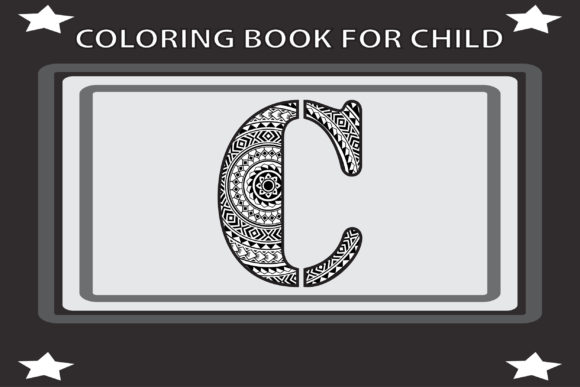
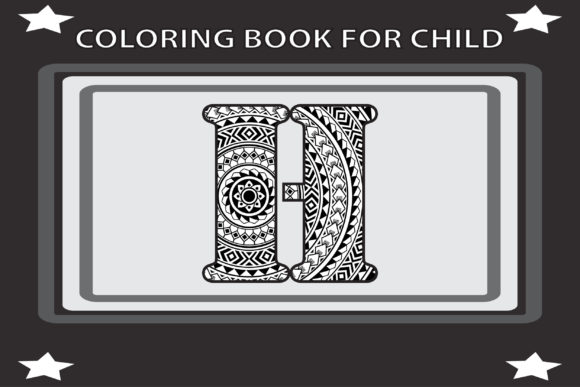
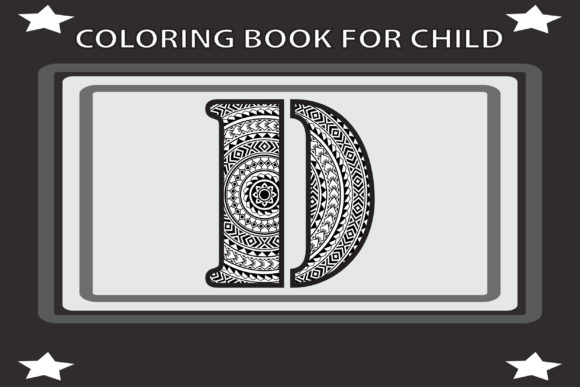
First impression? Clean, friendly, and intentionally child-friendly without leaning into cutesy overload. The “D” features bold outlines, generous interior space for coloring, and subtle texture hints—no gradients or complex shading that would complicate printing or cutting. It reads as modern educational, not preschool-themed or holiday-specific. That makes it ideal for year-round listings: nursery wall art, homeschool resources, Montessori activity kits, or even minimalist baby shower invites.
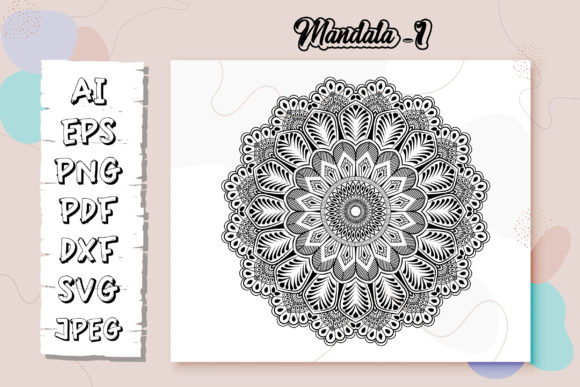
This isn’t a standalone clipart piece—it’s a fully layered, production-ready digital product. Inside the single zip archive, you’ll find high-resolution JPG and PNG files (300 DPI, transparent background confirmed), scalable SVG and PDF versions (tested clean on Cricut Design Space and Silhouette Studio), plus editable AI and EPS files for designers using Adobe Illustrator. No rasterized text, no locked layers, no hidden watermarks. Just one hundred percent editable vector and bitmap assets—ready for resizing, recoloring, or repurposing.
Where does Alphabet Coloring Book for Kids - D shine in real selling scenarios? Let’s break it down by use case:
- SVG products: Perfect for Cricut users making custom name banners, wooden letter signs, or iron-on decals—cut lines are smooth, corners are crisp, and interior whitespace prevents accidental clipping.
- PNG design bundles: Works seamlessly in sticker sheets, planner packs, or printable activity sets—especially when grouped with other letters to build full alphabet bundles.
- Sublimation design: The bold line weight holds up well on mugs, tumblers, and kids’ apparel—no fine detail to blur at mid-range heat press temps.
- Canva template integration: Drop it into editable Canva templates for birthday invitations, classroom handouts, or social media announcements—it scales cleanly and pairs effortlessly with sans serif (like Poppins), rounded script (like Quicksand), or friendly display fonts (like Nunito).
- Printable wall art & nursery prints: When paired with coordinating borders or muted pastel backgrounds, it adds visual hierarchy to themed nursery collections without overwhelming the layout.
- Digital download shops: Bundled with matching lowercase “d”, tracing version, and flashcard layout, it becomes a high-value printable design—not just a single letter, but part of a cohesive learning system.
For product presentation, Alphabet Coloring Book for Kids - D supports strong thumbnail appeal. Its contrast and clarity translate well at small sizes—critical for Etsy search results and mobile browsing. I tested it in mockups across light and dark backgrounds: it maintains readability on both, though white or soft cream backdrops best reflect its intended educational tone. On product mockups—especially tumbler wraps and framed nursery prints—it builds perceived value through clean execution and intentional spacing.
It fits naturally into seasonal bundles too. Pair it with spring-themed florals or back-to-school checklists, and it becomes part of a broader narrative—not just a letter, but a functional piece of visual storytelling for parents and educators.
But here’s where caution matters. Avoid using it for ultra-fine sticker details (think 0.25” die-cut labels)—the line weight isn’t optimized for micro-cutting. Don’t force it into dense, text-heavy templates where visual hierarchy gets lost. And skip dark backgrounds unless you manually adjust stroke contrast first—the default black outline can fade against charcoal or navy.
Before publishing any listing, test rigorously:
- Preview the SVG in Cricut Design Space—check for stray anchor points or compound paths that could disrupt cutting.
- Open the PNG in Photoshop or GIMP and verify full transparency (no faint white halo).
- Print a sample on standard copy paper and cardstock—confirm line thickness holds up at 8.5”x11” and scales cleanly to 12”x18”.
- Drop it into a Canva template alongside your brand fonts—see how it anchors headlines versus supporting text.
- Load it into a mockup generator (like Placeit or Smartmockups) and assess click-through potential at thumbnail size.
File organization matters to buyers—and reflects professionalism. When bundling Alphabet Coloring Book for Kids - D into a larger set, keep filenames consistent (e.g., “D_Coloring_Letter_SVG.svg”, “D_Tracing_PNG.png”) and include a clear read-me with commercial license confirmation. Yes—this asset includes full commercial rights, but always double-check the seller’s terms before applying it to physical merchandise like t-shirts or tote bags.
Finally, consider brand alignment. If your shop leans into handmade business aesthetics, pair this with textured paper overlays or gentle shadow effects. For small business branding, use it in packaging design—on thank-you cards, sticker seals, or digital order confirmations—to reinforce visual identity across touchpoints.
In short: Alphabet Coloring Book for Kids - D isn’t flashy—but it’s reliable, adaptable, and built for commerce. It supports digital download shops, print-on-demand workflows, Cricut projects, and creative marketplace listings without demanding extra editing time. When used intentionally—with attention to contrast, scale, and context—it elevates your entire collection. Not every graphic design asset earns repeat use across ten product types. This one does.